Menu
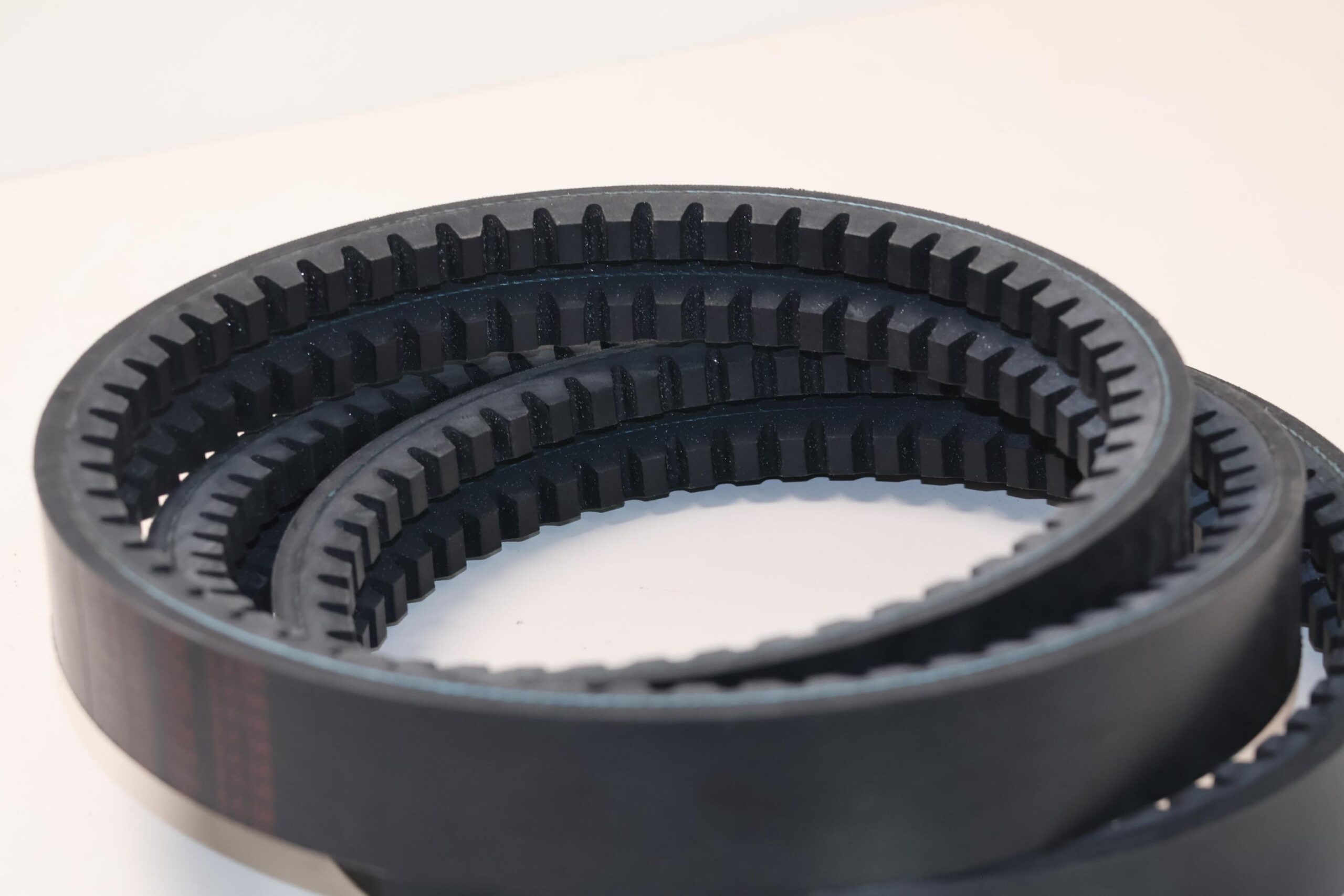
Seeder belts are key components of seeding equipment, transmitting power to drive various parts of the seeder, such as seed delivery systems, depth control systems, or other mechanical moving parts. Seeder belts must have excellent wear resistance, tensile strength, and weather resistance to adapt to complex field environments and long-term operations.
Common types of seeder belts include:
• V-belts – Suitable for high-torque transmission, commonly used in the power systems of seeders.
• Timing belts – Ensure precise synchronous operation, ideal for depth control systems and other components requiring high accuracy.
• Multi-V belts – Used for heavy-load transmission, enhancing equipment stability and transmission efficiency.
The materials used for these belts are typically heat-resistant, oil-resistant, and chemically resistant rubber or polyurethane, ensuring normal operation of the equipment even in harsh environments.